What changes when the line is crossed is how much your team understands the system.
Nobody got worse at their job.
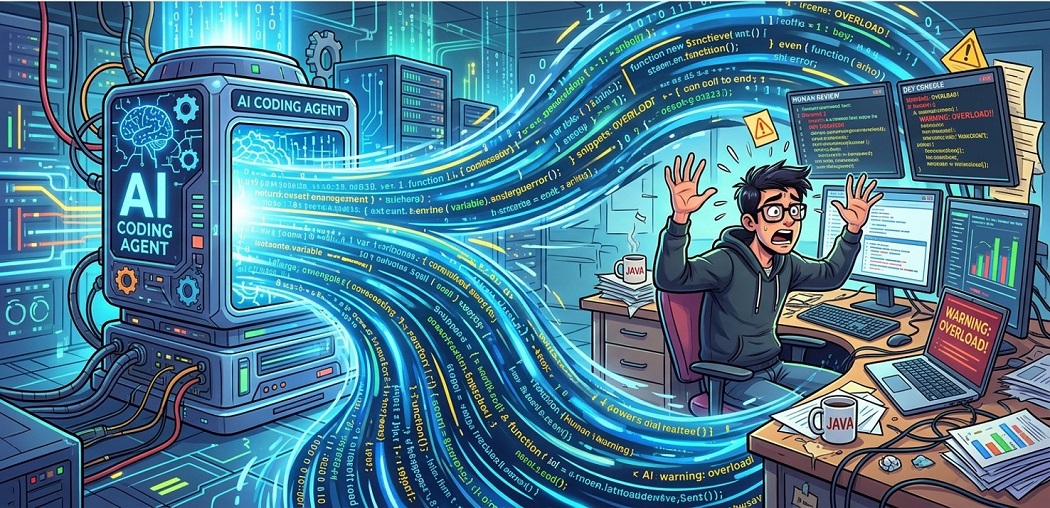
Code simply arrives faster than anyone can keep up.
Most of our practices rest on an assumption we never had to say out loud: someone on the team understands this code.
Code reviews, design reviews and testing kept that assumption true, at the pace a human writes code.
When AI writes enough of the code, we cross the line, and these simply don’t work anymore.
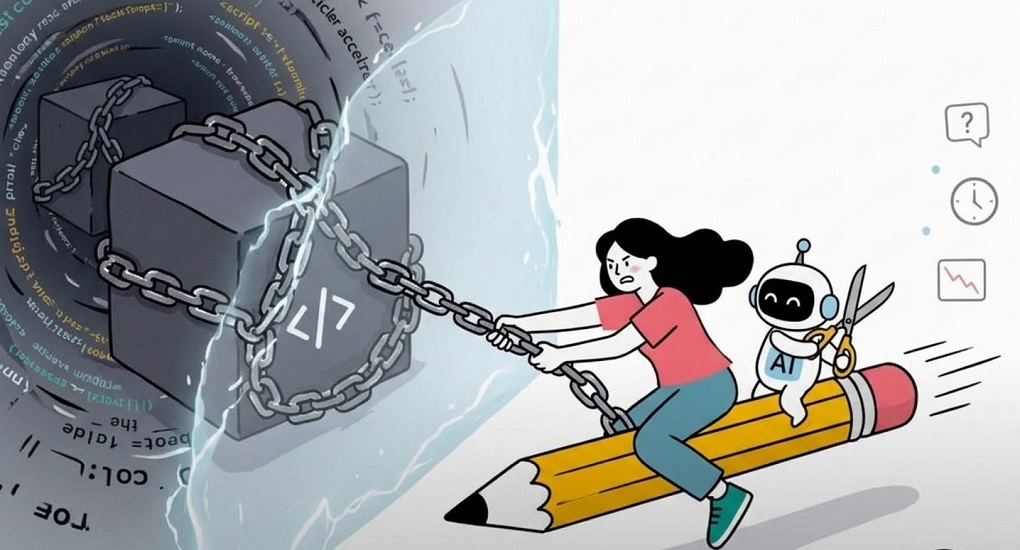
New code lands too fast for the existing practices to keep up (hello, code review), and slowly we lose our understanding.
Almost everything else follows from that.
Reviews take longer and turn into a formality, which reduces our understanding even more.
Incidents take longer for a person to diagnose and fix.
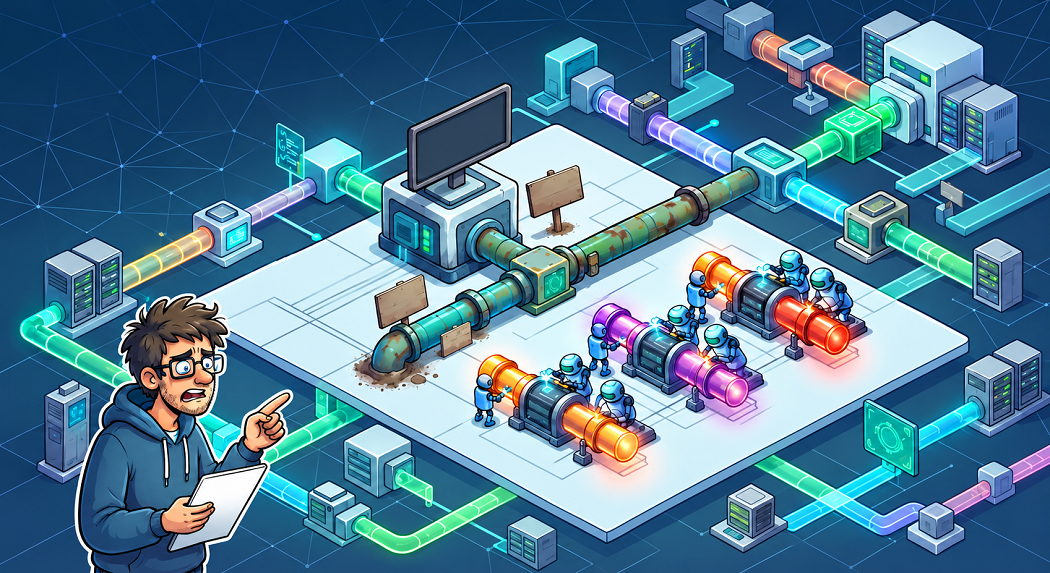
The same mechanisms get duplicated across the codebase.
And the system starts behaving in ways nobody expected.
To keep up, we need to adapt our practices.
Some may no longer be relevant, some may need to change, and we may need new ones to cover the gaps.
The challenge is that a single quarter of agent adoption can take us over the line, while adapting the practices takes much longer.
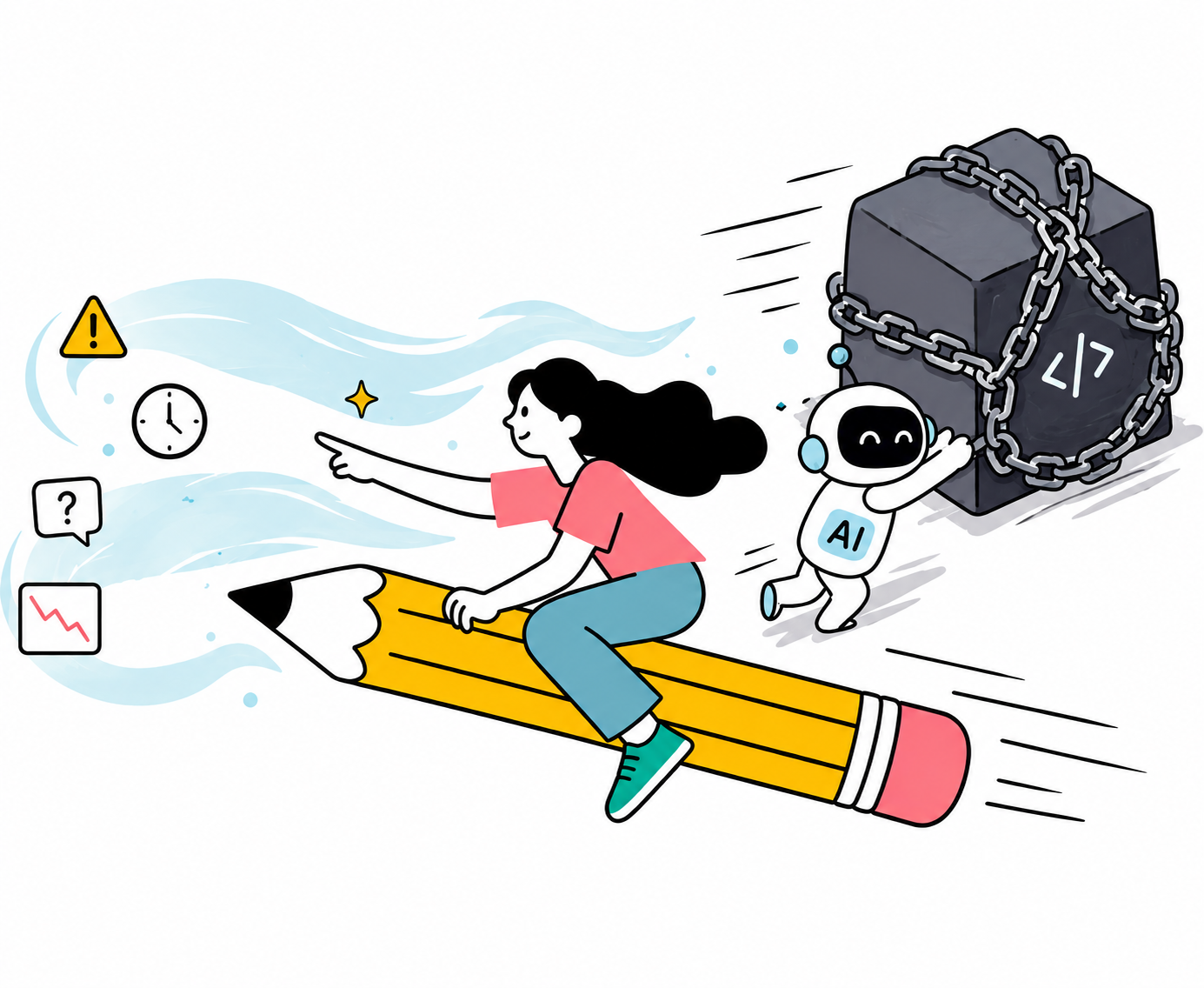
In the meantime, what builds up is comprehension debt.
Every change nobody really understands is borrowed against the team’s understanding of the system.
Like any debt, it carries interest: every change, every review and every incident costs more.
And it compounds, because new code gets built on top of code nobody understands.
The longer a team stays past the line with the old practices, the more it will cost to get back on track.
I’ve written a longer post on how to recognise the turning point. See the link in the first comment.
Here’s the first comment,
To find the line, ask whether your team can still understand what gets merged as fast as it gets merged. Once merging runs ahead, your comprehension debt starts growing.
► The full article : Where the regime changes
* * *
Written by Lior Friedman.
Lior is a Senior Software Architect and R&D Leader with 25+ years of experience building mission-critical systems and leading large-scale engineering transformations. Today, he focuses on helping R&D organizations adopt AI-enabled engineering practices-turning AI capabilities into practical, repeatable, and scalable workflows across coding, testing, and documentation.
* * *
Practical AI helps organizations move from individual AI experimentation to a shared, scalable way of working. We combine deep software engineering expertise with organizational change to build the standards, workflows, and practices that make AI work across teams — not just for individuals.
Let’s talk about building your AI capability at scale.